


Manufactured home inspection checklist: intro
If you are thinking about buying a manufactured home this fall, this manufactured home inspection checklist will give you confidence and bargaining power. colder weather exposes issues with foundations, utilities, insulation and drainage, so this is often the best time to see how a home really performs. this guide walks through what to look for in the structure, utilities, installation and appraisal, and it gives you practical questions to ask your inspector before you make an offer.
A quick manufactured home inspection checklist for buyers
- look under the home for a stable foundation, level support and secure anchoring
- check the frame, undercarriage and skirting for rust, sagging or pest activity
- inspect the roof, siding, doors and windows for leaks, soft spots and drafts
- test plumbing, electrical and the water heater for safe, reliable operation
- run the heating system and confirm that ductwork and filters are in good condition
- confirm working smoke detectors, carbon monoxide alarms and safe emergency exits
- verify hud certification labels on the exterior and a hud data plate inside the home
- check permits, local code compliance and how land ownership or a lot lease affects value
Use this checklist as a starting point as you read the rest of this article, and mark anything you want your inspector or appraiser to review more closely.
If you are just beginning your search, you can also review the broader manufactured home buying steps in our guide on how to navigate the manufactured home buying process.
Understanding your manufactured home inspection checklist
Buying a manufactured home often means paying close attention to aspects that differ from a typical site built house. The inspection process for a manufactured home will broadly cover three key categories: structure, utilities and systems, and code compliance and installation.
Structural and site evaluation
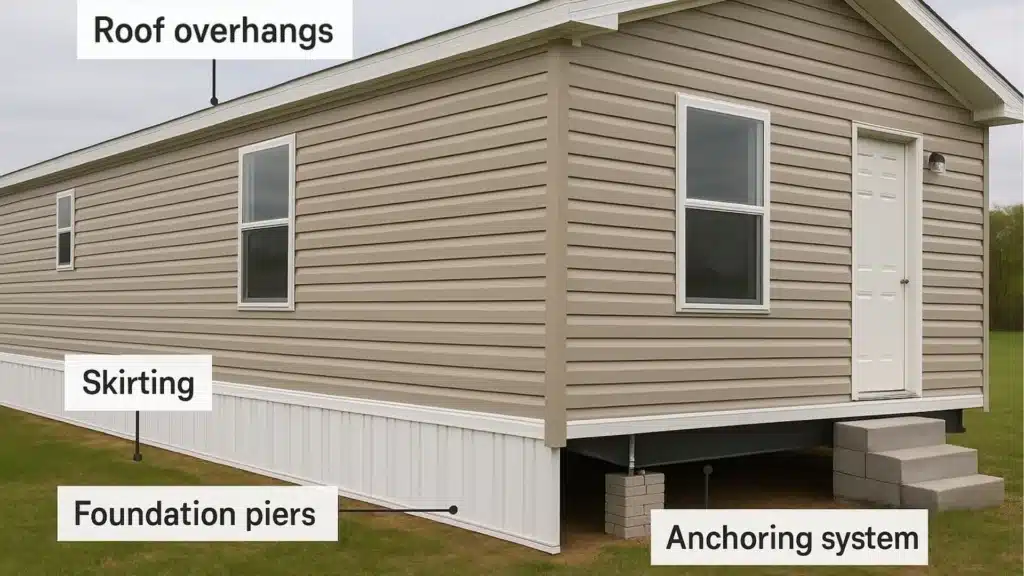
When evaluating structure, here are critical items to include in your manufactured home inspection checklist:
- foundation or support system: check for proper piers, blocks, anchorage and stability under the home. Look for signs of settling or shifting.
- undercarriage and frame: inspect for corrosion, damage or sagging of the chassis or frame components. Watch for bent beams or areas that seem out of level.
- skirting and crawl space protection: ensure skirting panels are intact, free of holes and that the underbelly or vapor barrier is present and not torn.
- exterior envelope: look at roof condition for leaks or missing shingles, siding for damage, windows and doors for fit, and drainage that moves water away from the home.
- stairs, porches and entryways: outside steps must be stable, with guardrails and handrails built to code and safe for all ages.
For more big picture tips on what to look for before you buy, you can cross check this list with our article on what to look for when buying a new manufactured home.
Utilities, systems and safety features
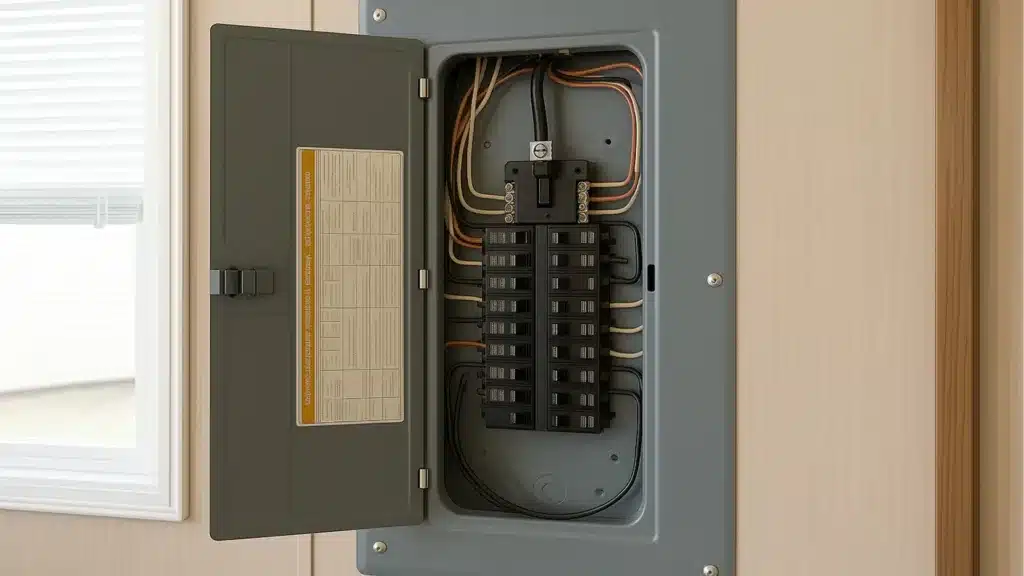
The utility systems in manufactured homes may be compact or arranged differently than in traditional homes, so your manufactured home inspection checklist should cover each major system. Your checklist should include:
- plumbing: check for leaks, proper slope on sewer or septic lines, condition of the water heater and visible piping. Ask about any history of frozen pipes.
- electrical: verify wiring is in good condition, panels are properly covered, outlets work and any older wiring or exposed cables are addressed. Look for required safety outlets in kitchens, baths and exterior locations.
- hvac: confirm heating and cooling units function, ductwork is intact, filters are clean and ventilation is adequate for colder months.
- safety devices: test smoke detectors and carbon monoxide alarms, confirm emergency exits and egress windows are accessible and in working order.
- insulation and energy performance: for fall and winter purchases this is important. Check for drafts, proper sealing and the condition of insulation under the home and in the walls or attic.
Code compliance, installation and certification
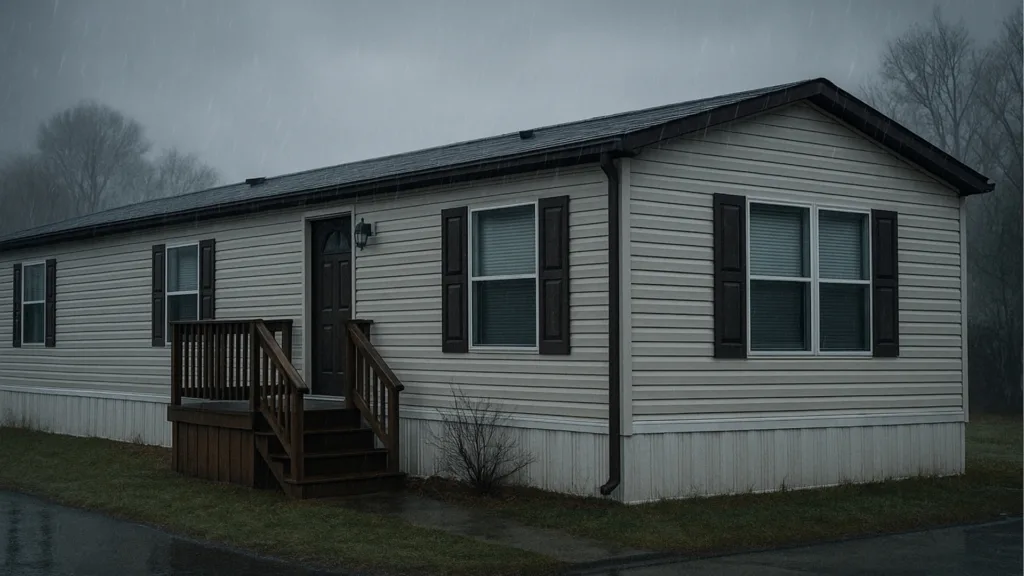
Because many manufactured homes are built in factories and then installed on site, proper installation and compliance are critical. Key checklist items:
- certification labels and data plate: a manufactured home built to federal standards will have a hud certification label on the exterior of each section and a hud data plate inside, often near the main electrical panel or in a cabinet or closet. These show compliance with hud manufactured home construction and safety standards. You can learn more in hud’s resources on hud code manufactured homes.
- installation standards: check that the home sits on a properly prepared site, with correct anchoring and tie downs, a vapor barrier under the floor if required and site grading that prevents water pooling.
- local code and zoning: confirm permits, setbacks, lot compliance and that utilities are hooked up appropriately. Codes and inspection requirements vary by state and municipality, so it is important to follow local rules.
- real property classification: if the home is titled as real property rather than personal property and is on a permanent foundation, it often adds long term stability and value, especially when you plan to finance or refinance in the future.
For deeper background on hud code and Pennsylvania requirements, see our article on hud code manufactured homes.
Appraisal factors for manufactured homes
Once the inspection shows the home is in sound condition, you will want to understand how the manufactured home inspection checklist connects with the appraisal process and what factors influence value.
How the appraisal works
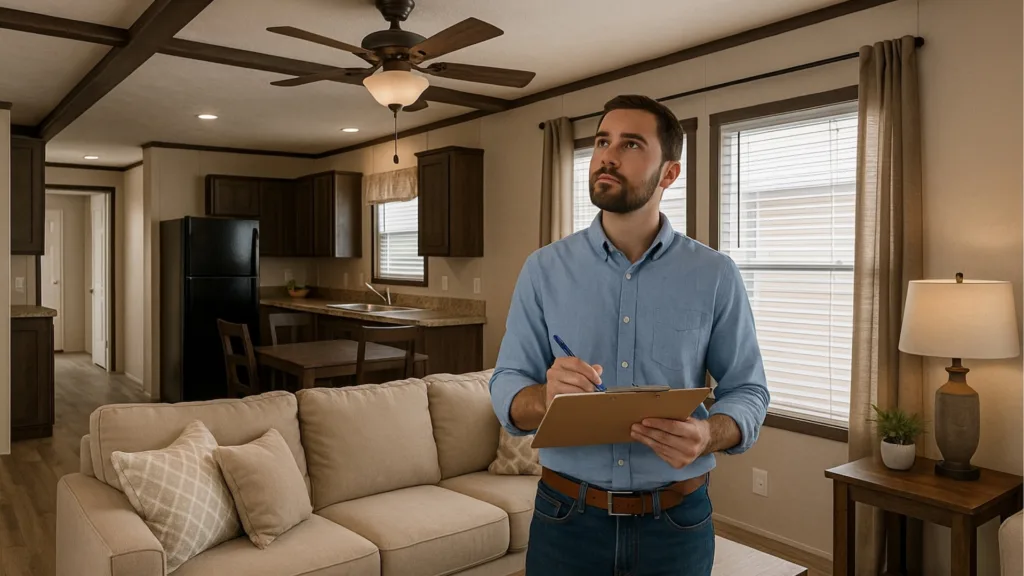
When you hear what to look for in a manufactured home from an appraisal standpoint, consider the following steps:
- a certified appraiser visits the property to inspect condition, size, features and any upgrades.
- the appraiser compares the home to similar properties, often called comparables or comps, in the area to estimate value.
- if the home sits on land that you will own, the land value may be included. If it is on leased land in a community, the appraisal focuses more on the home itself and the terms of the lease.
- the report is submitted to the lender, if you are financing, and helps determine whether the purchase price is supported by market value.
Key appraisal factors
Here are some of the most important factors appraisers will consider for a manufactured home:
- condition of the home: a well maintained home with sound structure, no major defects and updated systems will usually appraise higher.
- age and design: older manufactured homes may have more depreciation. Homes built after june 15, 1976, when federal hud standards took effect, typically meet stricter safety and construction standards.
- permanent installation: homes on a permanent foundation and classified as real property tend to hold more value than homes on temporary supports or those without proper anchoring.
- location and lot or land value: even a manufactured home’s value is influenced by its location, lot size, ease of access, nearby amenities and school districts.
- comparable sales: the availability of recent sales of similar manufactured homes in the area affects how strong and clear the appraisal will be.
- upgrades and features: upgraded kitchens and baths, improved energy efficiency, new hvac, flooring or plumbing systems all contribute positively.
Questions to ask your inspector and appraiser
Here is a list of smart questions to bring with you when visiting a manufactured home. These help you act like an informed buyer.
- is the home properly anchored, and can you show documentation of tie down systems or straps
- what is the condition of the undercarriage, frame and skirting, and are there any signs of shifting, corrosion or pest intrusion
- how is drainage at the site, and are there signs of pooled water, erosion or poor grading under or around the home
- when was the roof last serviced or replaced, and are there missing shingles, leaks or flashing issues
- are the windows and doors sealed properly for winter weather, and are there drafts or signs of moisture intrusion
- can you inspect and test the plumbing system for leaks, proper slope of sewer or septic lines and insulation of exposed pipes
- has the electrical panel been updated, and are all outlets and fixtures functioning properly with appropriate safety features such as ground fault protection and grounding
- is the hvac system functioning for heating during colder months, are filters clean and is ductwork sealed
- are smoke detectors, carbon monoxide alarms and emergency exits compliant with current standards
- is there a hud certification label on the exterior of each section and a hud data plate inside the home, and are they intact and legible; has the home ever been moved after original installation
- does the home sit on land that you will own or is the lot leased, and if it is leased what are the implications for value and resale
- when the appraiser visits, what comparable homes are likely to be used, and how many of those are manufactured homes rather than site built homes
- are there any known code compliance or zoning issues such as setbacks, permits or installation on the lot that still need to be resolved
- how will seasonal issues such as winter weather affect this home given its age, insulation and location
Late fall focus for buyers
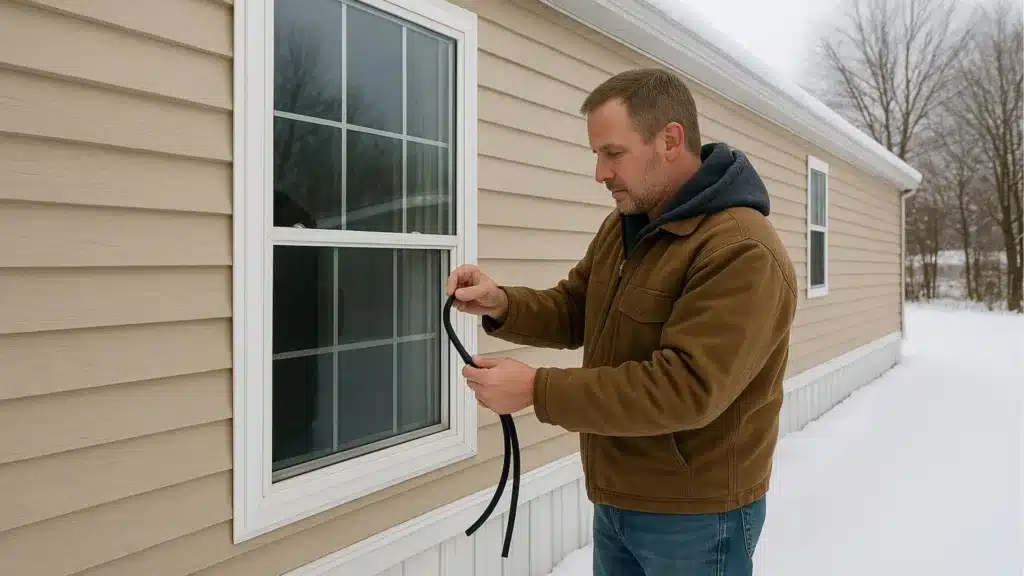
Since you are researching ahead of winter, you might want to pay special attention to these seasonal considerations:
- check for drafty rooms or windows, which can add to heating costs in colder months.
- inspect the underfloor insulation and vapor barrier, because cold ground combined with moisture can lead to mold or rot.
- verify the hvac system is capable of heating efficiently and safely in the coldest part of the season.
- consider how snow, ice or freezing conditions will affect the foundation and tie downs. Homes that shift or settle in winter can present problems and may need professional evaluation.
- ensure drainage around the home is designed to divert melting snow and prevent water accumulation under the home during freeze and thaw cycles.
Buyers in Pennsylvania and the Lehigh Valley region will see all of these weather related issues up close each winter, which makes fall a practical time to evaluate how a home handles real conditions. Learn more.
FAQ
How long does an inspection of a manufactured home typically take?
It depends on size and condition, but an inspection of a manufactured home often takes two to three hours. It may take longer if there are multiple systems to check, limited access under the home or more complex site conditions.
Does the appraisal for a manufactured home cost more than for a site built home?
Often the cost is similar, but it can require an appraiser who is familiar with manufactured homes. Some lenders may require additional documentation such as foundation certifications or proof of hud labels, which can add time and a small amount of cost.
What if the appraised value comes in lower than the sales price?
That outcome can affect your loan approval. You may need to renegotiate the price, increase your down payment or look at other financing options. It is wise to budget for that possibility and to discuss scenarios with your lender in advance.
Before you make an offer
Every inspection reveals something. Your job as a buyer is to decide what you can accept, what you want to negotiate and what needs a specialist. If the report shows issues with the roof, hvac or the structure under the home, consider bringing in a licensed contractor or structural professional for a second opinion.
When you are buying in fall, use the season to your advantage. Cold air makes drafts easier to spot, and wet weather can reveal drainage problems, soft spots in floors and gaps in insulation that might stay hidden in spring or summer. Pay attention to how warm the home feels, how quickly it heats up and whether you notice cold areas near floors, windows or doors.
A well documented inspection and appraisal report gives you two things. It gives you the confidence to move forward when the home is sound, and it gives you leverage to renegotiate or to walk away when the issues feel too big. With a solid checklist, clear questions and professional guidance, you can make a safer and more informed investment before winter sets in.
This information is general and does not replace advice from licensed inspectors, appraisers or local building officials. Codes, requirements and best practices vary by state and municipality, so always follow local rules for installation and inspection. Using a clear manufactured home inspection checklist helps you stay organized, compare homes and make decisions based on what you actually see during the walkthrough.
Valley Community Management is a family owned, resident focused team based in the Lehigh Valley, Pennsylvania. If you are comparing manufactured homes in our communities or nearby areas, our team is ready to help you understand inspections, appraisals and next steps. Connect with us to talk through inspection questions, learn more about available homes and schedule a visit so you can see how a well cared for manufactured home should look and feel.
Share
Related Articles